

Your shopping cart is empty.
30 years of manufacturing experience, serving 3 countries. Whatever your vessel, plant, or facility needs, RXSOL has you covered.
MSDS, COA and TDS documents are available for all RXSOL products. For product-specific queries, our technical team is available via WhatsApp or email.
Get My 50% Discount — Order Now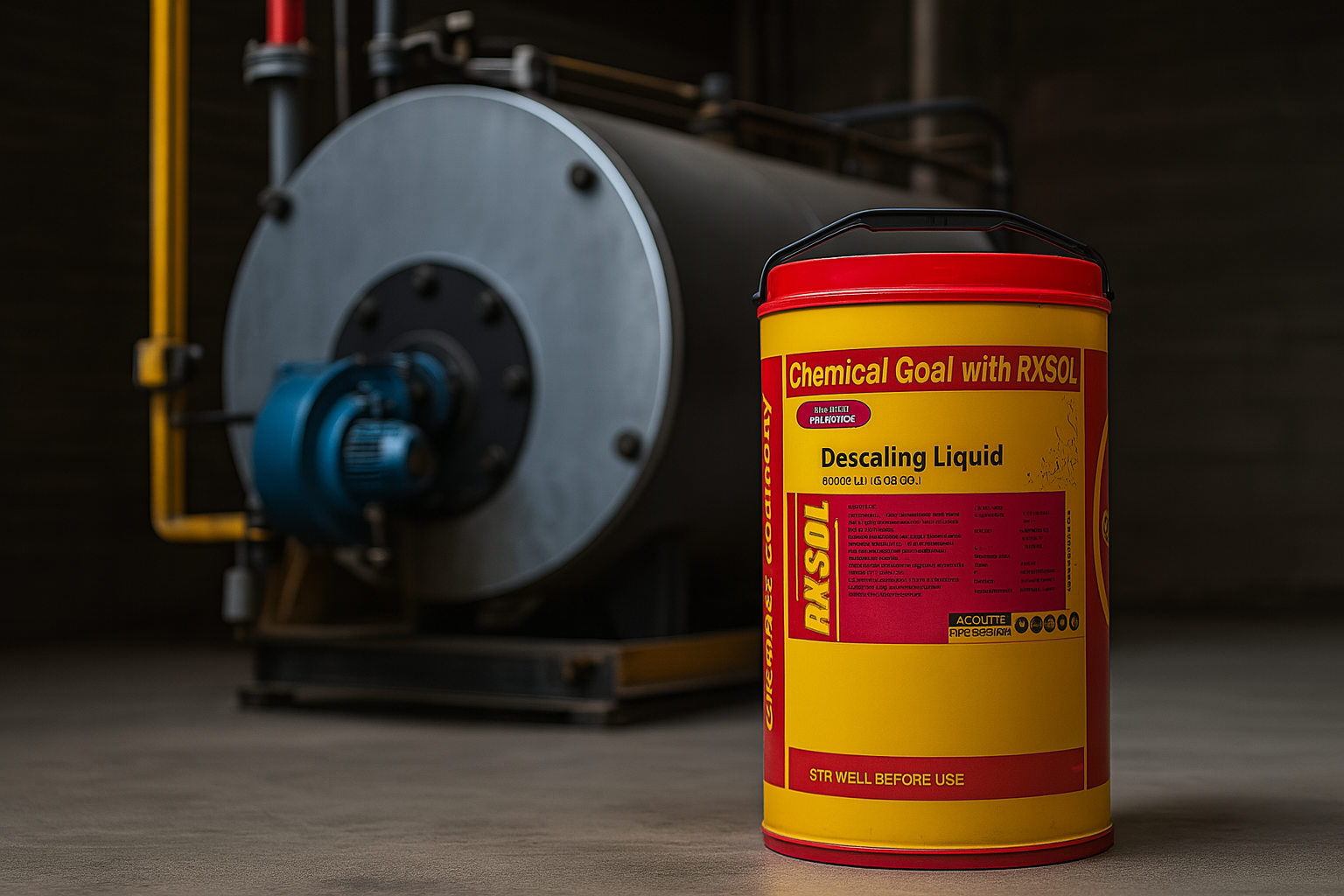
Specialized formulatory products for efficient maintenance of boiler units and chiller plants of industries.
View All Water Treatment Chemicals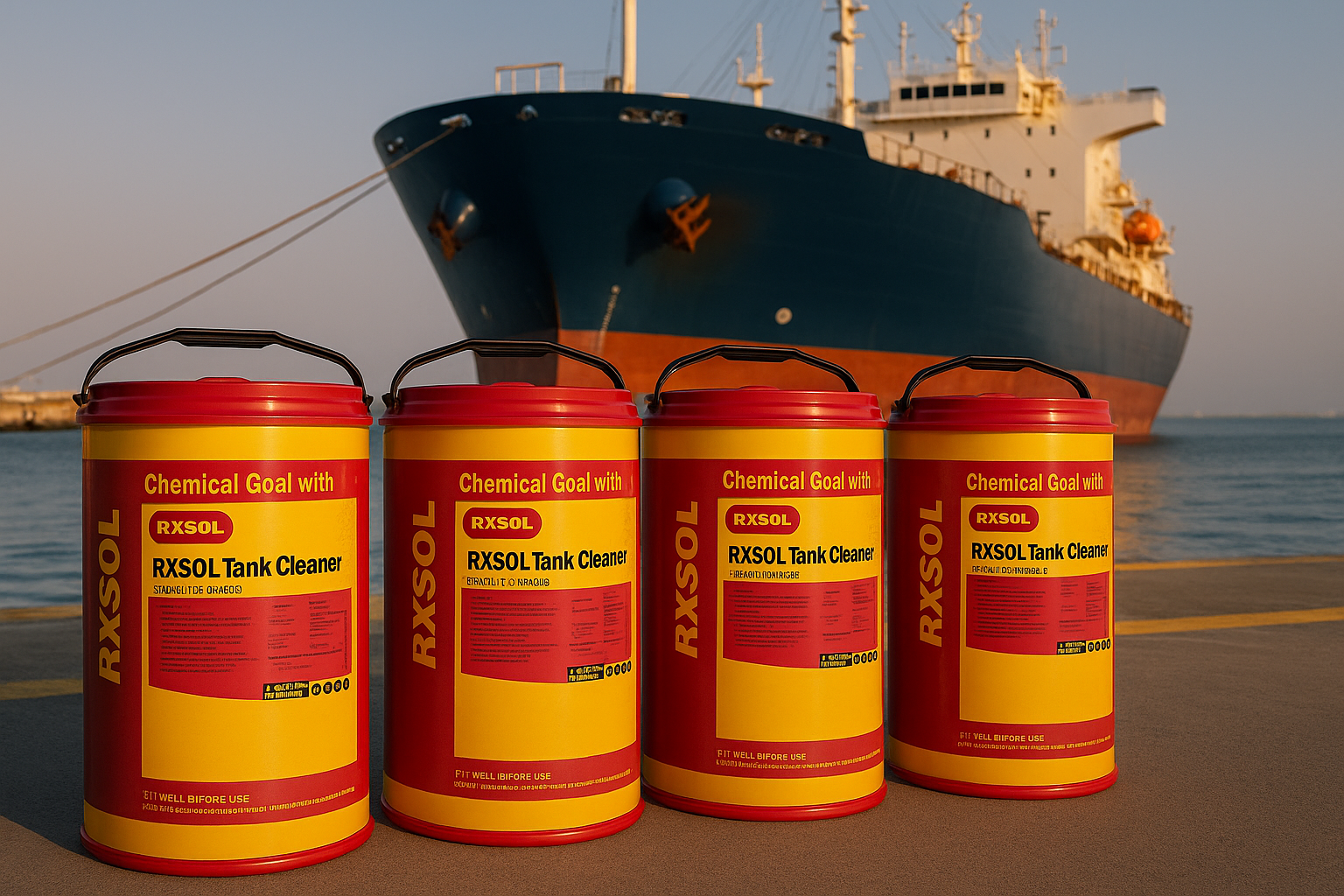
One STOP manufacturer for all of vessel's chemical needs - chemicals, test kits, applicators, etc
View All Marine Chemicals
Ready stock of fast-running chemical raw materials in 6 key locations of India
View All ChemicalsProduct Code: RXSOL-60-6604-824
Glutamic acid often is used as a food additive and flavor enhancer in the form of its sodium salt, known as monosodium glutamate (MSG).
The relatively high glutamate levels in some traditional diets suggest that it is a safe food additive. However, anecdotal and scientific evidence indicates that high levels of glutamate and MSG consumption cause adverse health effects.
Physical Properties:
| Melting point | 205 °C (dec.) (lit.) |
| Boiling point | 267.21°C (rough estimate) |
| Density | 1.54 g/cm3 at 20 °C |
| Refractive index | 1.4300 (estimate) |
| Storage temprature | 2-8°C |
| Solublity | 1 M HCl: 100 mg/mL |
| Form | Powder |
| Colour | White |
| PH | 3.0-3.5 (8.6g/l, H2O, 25℃) |
| Water solublity | 7.5 g/L (20 ºC) |
Description:
L-Glutamic acid, or L-2-aminopentanedioic acid, is a naturally occurring amino acid of plant and animal proteins. It has a very faint odor reminiscent of yeast or freshly baked bread. It has a mild, somewhat sweet, meat-like taste.
The average glutamic acid content of food proteins is 20 percent. Expressed as glutamic acid per 100 g of the edible portions, medium fat beef contains about 2.65 g of glutamic acid; whole liquid cow milk, 0.82 g; lean pork, 2.16 g; haddock, 2.32 g; peas, 5.58 g; soybeans, 7.01 g; commeal, 1.62 g; and whole grain wheat flour, 4.16 g. In addition, free glutamic acid is present in many vegetables, fish, and meats in small amounts (0. 005 to 0.23 g per 100 g) and as high as 2 g per 100 g in some varieties of cheese. Recent estimates of free amino acids in the milk of various species indicated that the free glutamic acid in human milk is about 0.22 g per 100 mL.
Glutamic acid and its salts are prepared commercially by hydrolysis of gluten (wheat, corn, soybean, sugarbeet protein); by fermentation from glucose-containing raw materials; the racemic acid may be resolved into the d- and ι-isomer by fractional crystallization; from 2 -cyclopentenylamine; by microbial conversion of aketoglutaric acid; or by an alternative method, using Bacillus megatherium-cereus; from fumaric acid using B. pumilus; from starch.
Glutamic acid and the hydrochloride as well as the mono-sodium, -potassium, and -ammonium salts of L-glutamic acid share similar physical properties: they are nearly odorless, white, free-flowing crystalline powders, and except for glutamic acid and glutamic acid hydrochloride, are freely soluble in water. Glutamic acid is slightly soluble and glutamic acid hydrochloride moderately soluble in water. The pH of a saturated solution is about 3.2.
Oman, Bahrain, Abu Dhabi, Ajman, Al Ain, Dubai, Ras Al-Khaimah, Fujairah, Sharjah, Umm Al Quwain, Ruwais, Mina Zayed, Khalifa Port, Kizad, Jebel Ali, Port Rashid, Khor Fakkan, Sharjah Creek, Port of Hamriyah, Mussafah Port, Saqr Port, Dibba Port, Jebel Dhanna, Mina Al Hamriya, and all major UAE ports.